
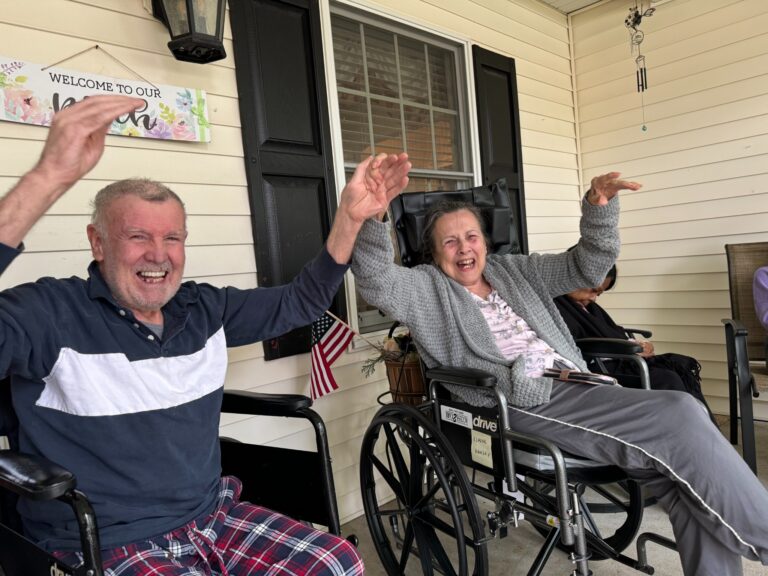
Memory care NJ families are looking for is a home built around people living with memory loss, with trained staff, a calm routine, and daily engagement that fits each person. If you are asking what memory care is and where to find it in New Jersey, this guide walks you through a typical day, how memory care differs from other senior housing, what to ask on a tour, and how Fox Trail supports different stages of memory loss.
What Is Memory Care and How Does It Differ from Other Housing?
Memory care is a specialized form of support for people living with Alzheimer’s, dementia, Parkinson’s, and other cognitive conditions. Everything about the setting is shaped around memory loss, from the layout of the home to the way the team communicates.
Other senior housing options are typically designed for people who manage most of their daily routines on their own. Memory care is different in a few important ways:
- Secure spaces and safety features that help residents move about with confidence.
- Staff with dementia-specific training who get to know each resident well.
- Programming built around memory loss rather than a general activity calendar.
- Medication management, meals, and housekeeping handled by the care team.
- Family education and support, plus respite care when caregivers need a rest.
Many families worry that choosing memory care means giving up. We see it differently. Memory care is added support that lets you go back to being a daughter, son, or spouse instead of a full-time caregiver. Many families tell us they wish they had started the conversation sooner. If you are weighing the timing, our guide to knowing when it is time for memory care can help.
A Typical Day in a Memory Care Community
Predictable days help people with memory loss feel settled. At Fox Trail, our intimate residential homes have a maximum of 15 residents, so the day feels like home life rather than an institution. You can read more about why routine matters in our post on daily routines for dementia.
Morning
Mornings begin gently, with personalized wake-up routines and a shared, home-cooked breakfast. Staff handle medication management so families do not have to worry about missed doses, and early risers are not pushed into a late schedule.
Midday
Midday brings engaging activities through our SPARK memory programming. Depending on each resident’s interests and abilities, that might include art, music, movement, reminiscence, and sensory experiences. Lunch is a comfortable, communal meal, and dietary needs are taken into account.
Afternoon
Afternoons are a lovely time for family visits and for restful personal time. Families are welcome to join activities, share a photo book, or simply sit together outdoors. For ideas, see our meaningful visit ideas. If you cannot visit in person, we offer updates so you still feel connected.
Evening
Evenings follow calm, predictable routines. Dinner is home-style, lighting is softened, and wind-down activities help residents get ready for rest. Housekeeping and daily meals are part of the day, so the home stays comfortable and cared for.
Supporting Every Stage: The Fox Trail Approach
Memory loss looks different from person to person, and it changes over time. When a resident arrives, the team completes an initial assessment covering interests, routines, sleep and eating patterns, health needs, and communication preferences. From there, an individualized care plan is created and updated as needs change.
- SPARK memory programming: Our engagement program is personalized to each resident, so activities meet people where they are, whether they are just beginning to need support or need more hands-on help. Learn more in our post on the SPARK program.
- HOPE program: Our on-site medical services bring specialist visits and healthcare to the home, supported by dedicated Medical and Psychiatric Directors. Fox Trail is New Jersey’s only memory care with that distinction. See how it works in HOPE on Site.
- Alzheimer’s Care, Dementia Care, and Parkinson’s Care: Our professionally trained staff are experienced with all stages of these conditions.
- Respite Care: Short-term support gives family caregivers time to rest and recharge.
- Family Education and Support: We help you understand what to expect and how to stay connected in meaningful ways.
Above all, we want your loved one to be seen as a person, not a diagnosis. Knowing a resident’s career, hobbies, favorite music, and how they take their coffee shapes how we care for them every day.
Questions to Ask When Touring Memory Care in NJ
A tour is the best way to feel the difference between communities. Bring this list along:
- Which conditions do you support, including Alzheimer’s, dementia, and Parkinson’s?
- How many residents live in each home, and how do caregivers get to know them?
- What does a typical day look like, and how are activities personalized?
- How are medications managed and who oversees them?
- What safety features are in place indoors and outdoors?
- How do you keep families updated, and when are visits welcome?
- What family education and respite care options are available?
- What medical support is available on site?
For a longer checklist, try our 6-point tour checklist, and read about what makes a great memory care team.
Finding Memory Care Near You in New Jersey
Fox Trail has 14 communities across North and Central New Jersey, so most families can find a home close to the people who will visit most. If you are looking for memory care near Woodcliff Lake, NJ, our local community page shares details about that home and how to arrange a visit. We also welcome families relocating from Manhattan, NY.
Every home shares the same approach: small residential settings, personalized routines, and a team that treats your loved one like family. You do not have to figure this out alone. Call 1-855-5MEMORY or schedule a private tour to meet the team and ask your questions. We are glad to help you plan the next step, whenever you are ready.